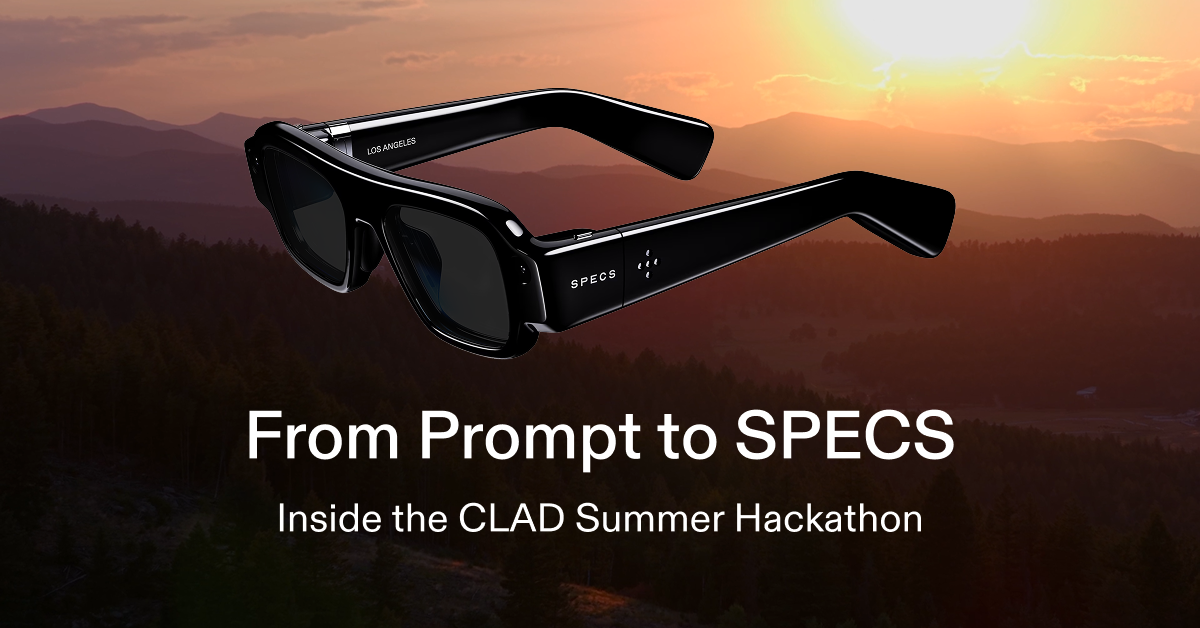
Key Takeaways From the SPECS Launch. What We Saw, What We Learned, and What’s Next
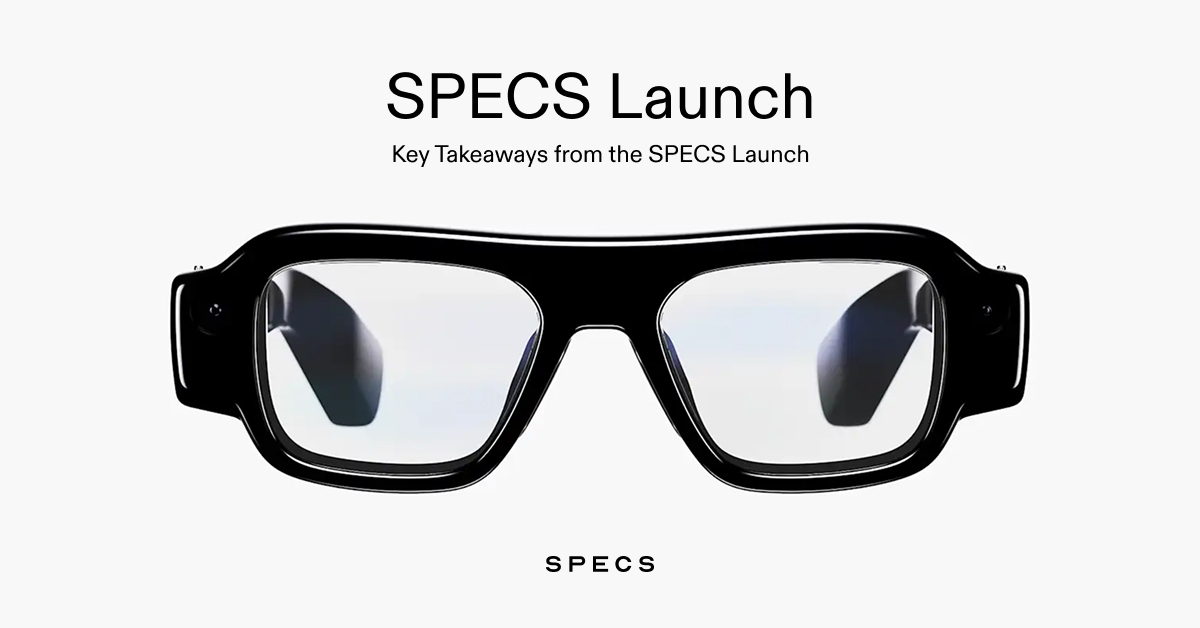
The AR glasses that make computing more human. That’s the main idea behind SPECS: putting you, the user, and the world around you at the center of the experience.
From everyday utility to entertainment, the growing range of use cases for SPECS points toward a shift in how we interact with technology. Instead of adapting our lives to what technology can do, AR glasses shape technology around the way we already live, work, learn, and play.
At the launch keynote, Snap co-founder and CEO Evan Spiegel officially introduced the new AR glasses, taking us through the technology behind the device, new features and tools, and a growing lineup of experiences and partnerships designed to show what AR can bring to everyday life.
For us at Lenslist, the launch was also an opportunity to meet with the AR community in person, see SPECS in action, and get a closer look at what developers and creators can build for the platform.
From AI-powered assistance and hands-free navigation to interactive sports training, entertainment, education, and new ways to work, the keynote presented a broad range of ways SPECS could fit into everyday life.
Here are some of the biggest takeaways from the launch.
SPECS Intelligence. AI That Works With You
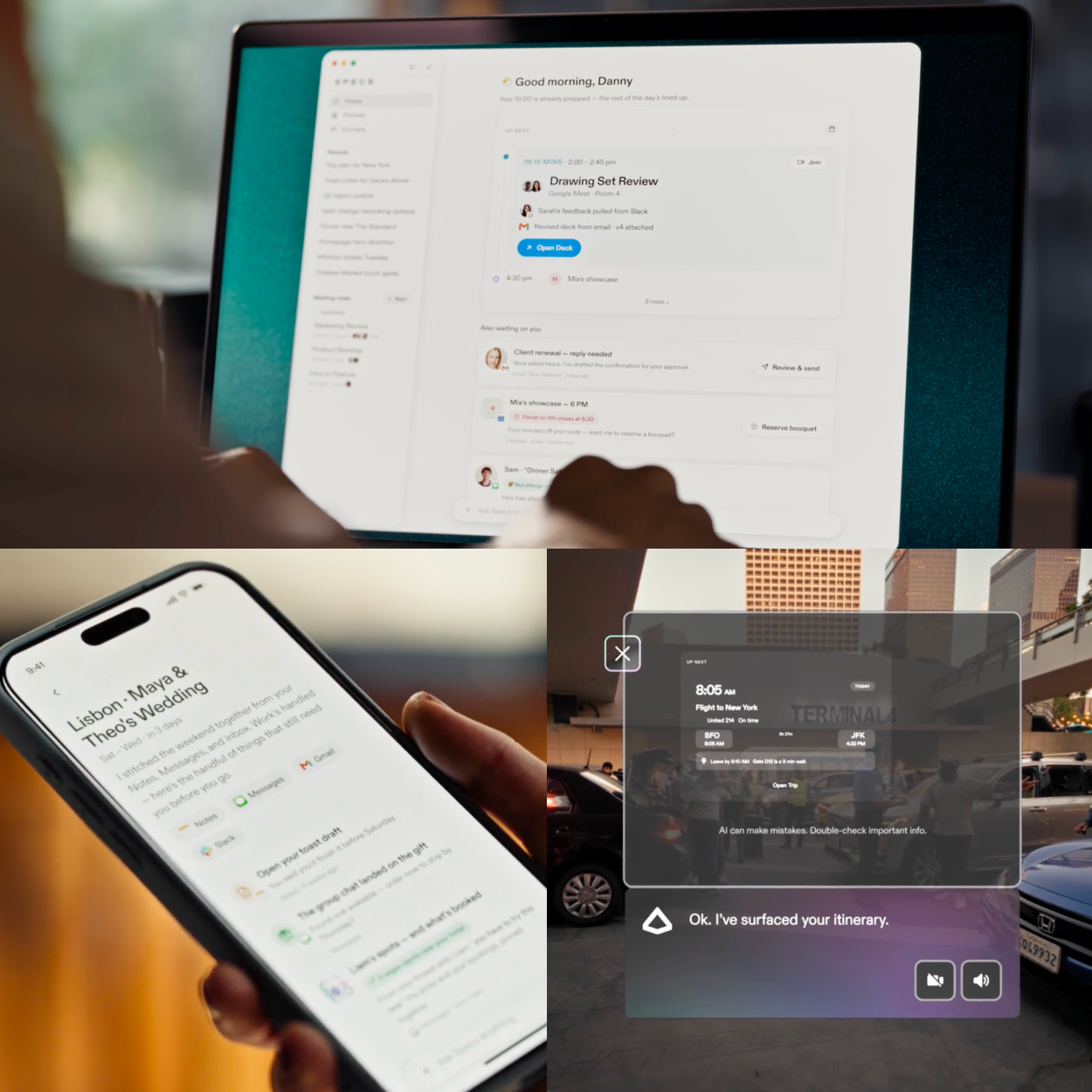
One of the biggest announcements was SPECS Intelligence, Snap’s new AI service for iPhone, Mac, and SPECS AR glasses.
Instead of waiting for a prompt, it is designed to understand your priorities, routines, and goals and surface useful information when you need it. Before a meeting, for example, it could highlight key decisions or questions. For a trip, it could bring together your plans and flag important deadlines.
Corners organize different areas of your life, while Goals help you track what you want to achieve. On SPECS, relevant information can appear directly in your field of view, bringing AI assistance into the physical world.
Starting today in the U.S., anyone 18+ can try the SPECS Intelligence preview through the SPECS iOS app or join the waitlist for early access to the fuller Mac experience.
 Source: Snap
Privacy at the core of SPECS Intelligence
Privacy is a central part of how SPECS Intelligence is designed. It starts right with the users deciding which accounts and information they connect, and the data remains with them. Snap’s personnel cannot view or access the personal content used with the service.
Personal content from connected accounts is also not used to train or fine-tune Snap’s AI models or serve personalized ads.
The service uses a combination of on-device processing and secure cloud infrastructure, with security protections applied wherever data is processed.
New SPECS Experiences and Partnerships
Another major theme of the keynote was the range of partnerships coming to SPECS.
It’s not about what SPECS can do. It’s about what users can do while wearing them. What becomes possible when digital information is placed directly into your physical surroundings?
Across entertainment, sports, education, utility, and productivity, the new experiences presented during the keynote offered a glimpse at how different industries can approach spatial computing.
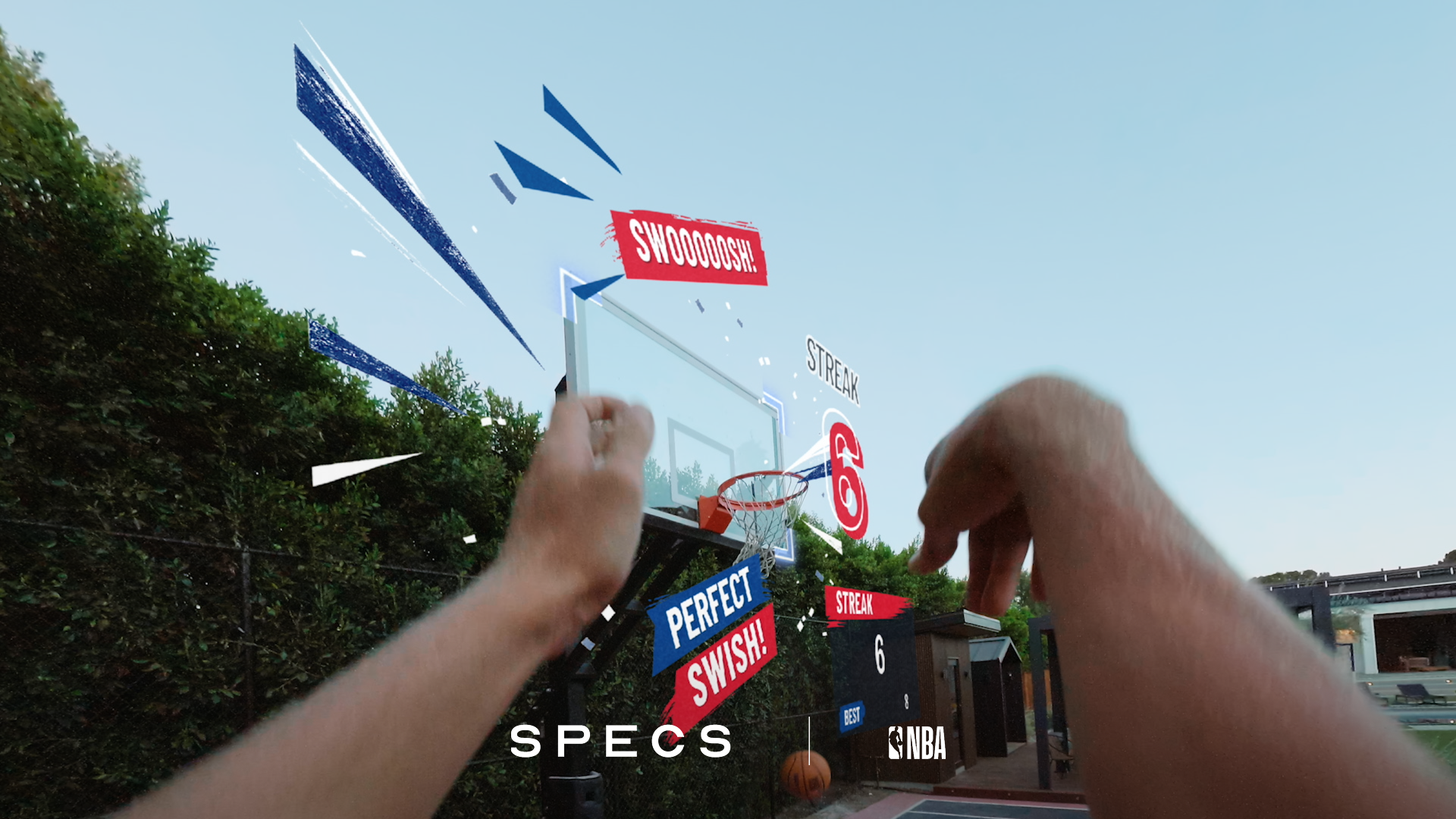
Snap is expanding its SPECS ecosystem through collaborations with the NBA, WNBA, PGA Professionals, and HBO Max, bringing sports training experiences and interactive entertainment, including a Harry Potter-inspired experience, to the glasses.
 Source: Snap
These experiences highlight one of the most interesting aspects of AR glasses: the digital layer does not necessarily replace the world around you. Instead, it can add information, interaction, and guidance to what’s already there.
Spatial Learning Experiences
SPECS also brings AR into education and exploration, turning subjects into interactive experiences. The Apollo 11 Lens transforms the historic moon mission into an AR experience, while Starmap overlays constellations onto the world around the user.
The same approach can make everyday exploration more interactive, giving users contextual information about their surroundings without having to reach for a phone.
Entertainment in your own space
Snap understands that entertainment is an essential part of our lives. SPECS are designed to assist you throughout the day, including those moments when all you want to do is switch off and unwind. But now, you don’t need to reach for your phone to do it.
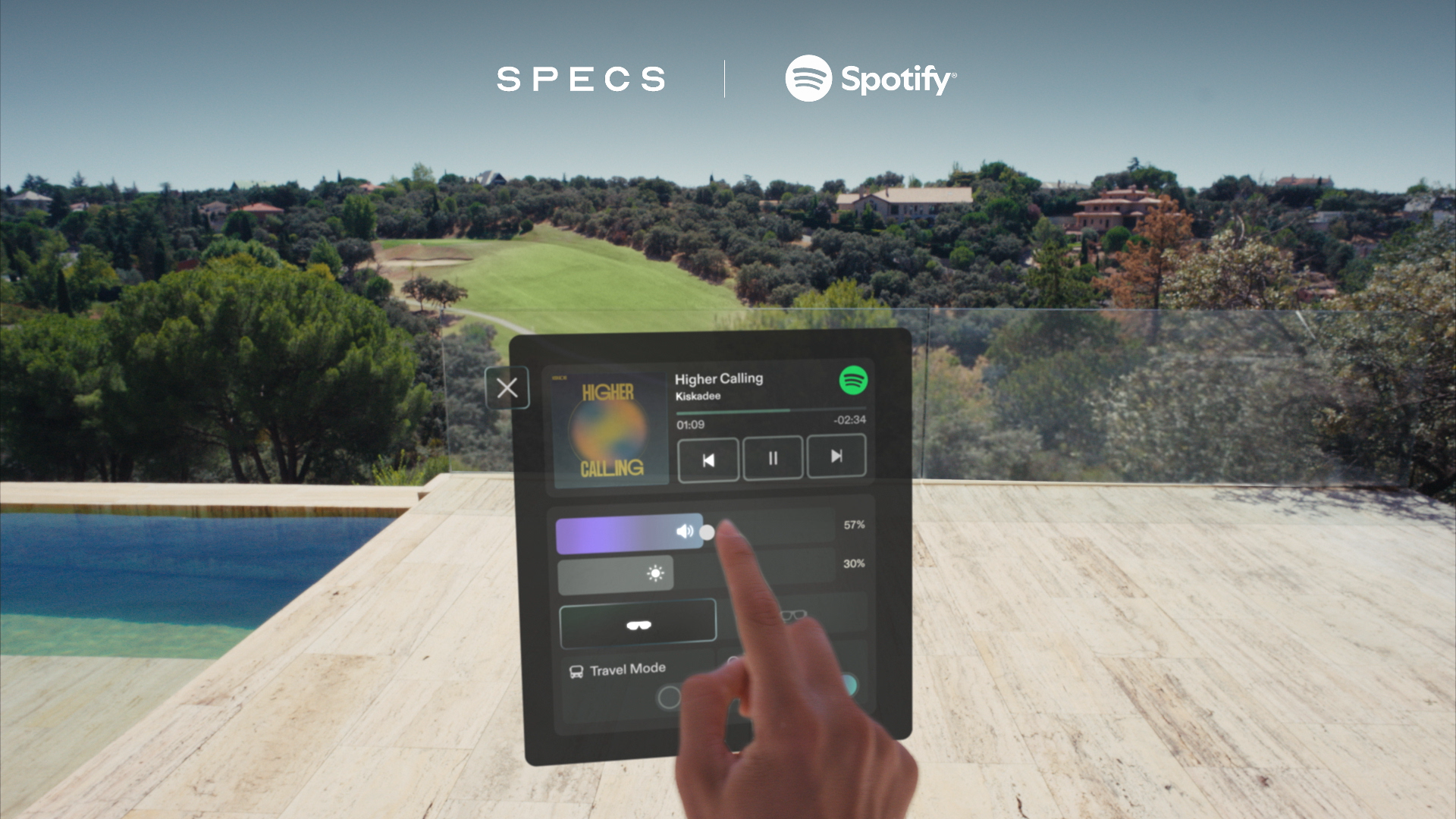
With SPECS, users can stream content from services like YouTube and HBO Max on a virtual 115-inch display. Travel Mode keeps the screen stable while on the move, while Spotify integration lets users discover music and podcasts based on their mood or surroundings.
 Source: Snap
SPECS as an Everyday Assistant
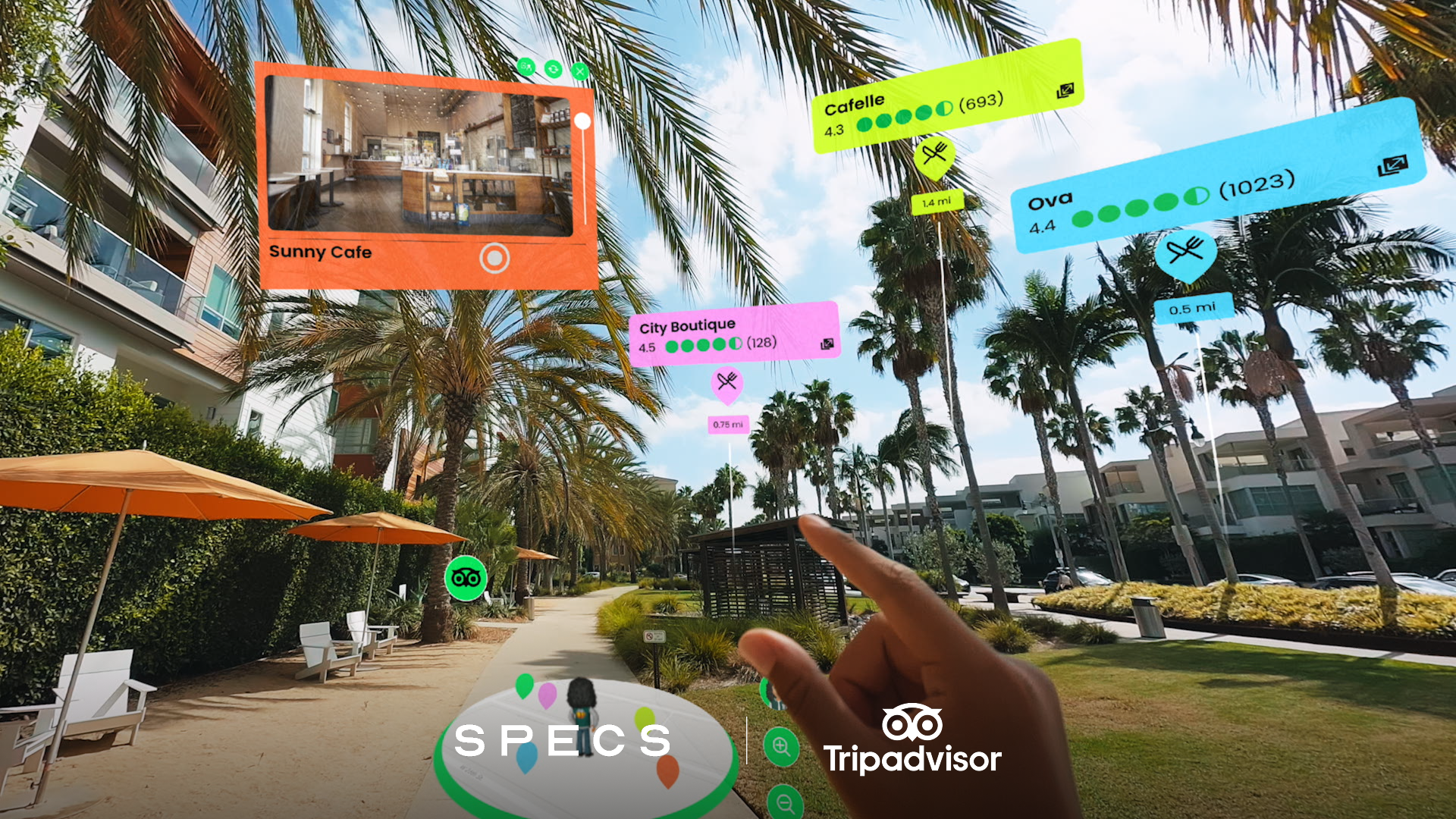
SPECS is designed to make everyday tasks more hands-free, with utility features including real-time translation, AR navigation, and travel tools developed with Tripadvisor for discovering nearby places, translating reviews and phrases, and converting currencies.
 Source: Snap
Shopping is another use case, with Shopify powering 3D product visualization that lets users see potential purchases at full scale in their surroundings before buying.
Productivity & Workflows
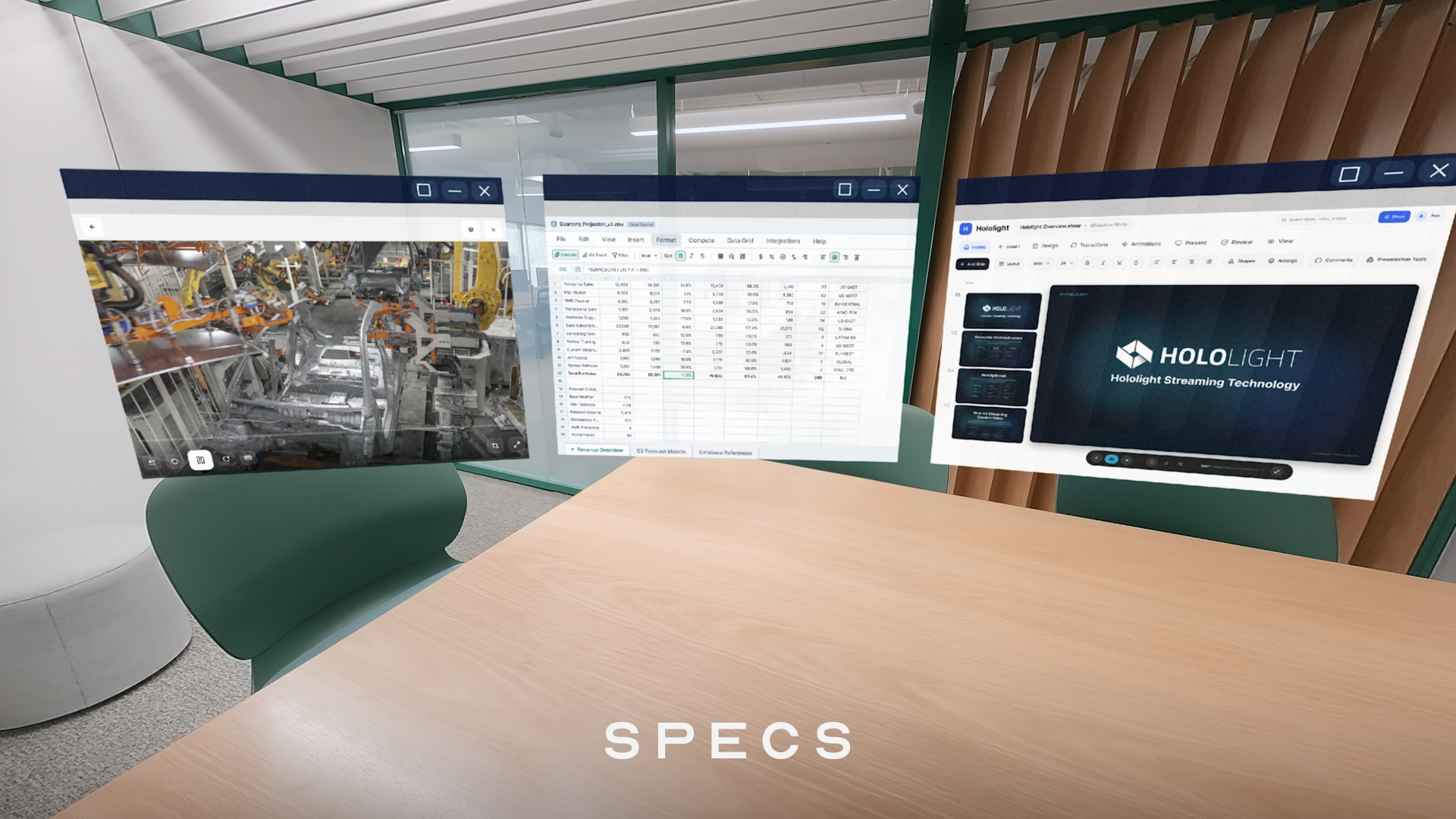
SPECS also opens up possibilities for productivity and workplace use, from extending a computer workspace wirelessly to supporting peripherals like keyboards. Experiences such as Whiteboard can turn physical spaces into collaborative work environments.
For enterprise use, Snap announced partnerships with Salesforce, Amazon Web Services, NVIDIA, Trifork, and Hololight, exploring applications across workplaces such as stores, factories, and field environments.
 Source: Snap
All-day Connection: The SPECS Charging Case
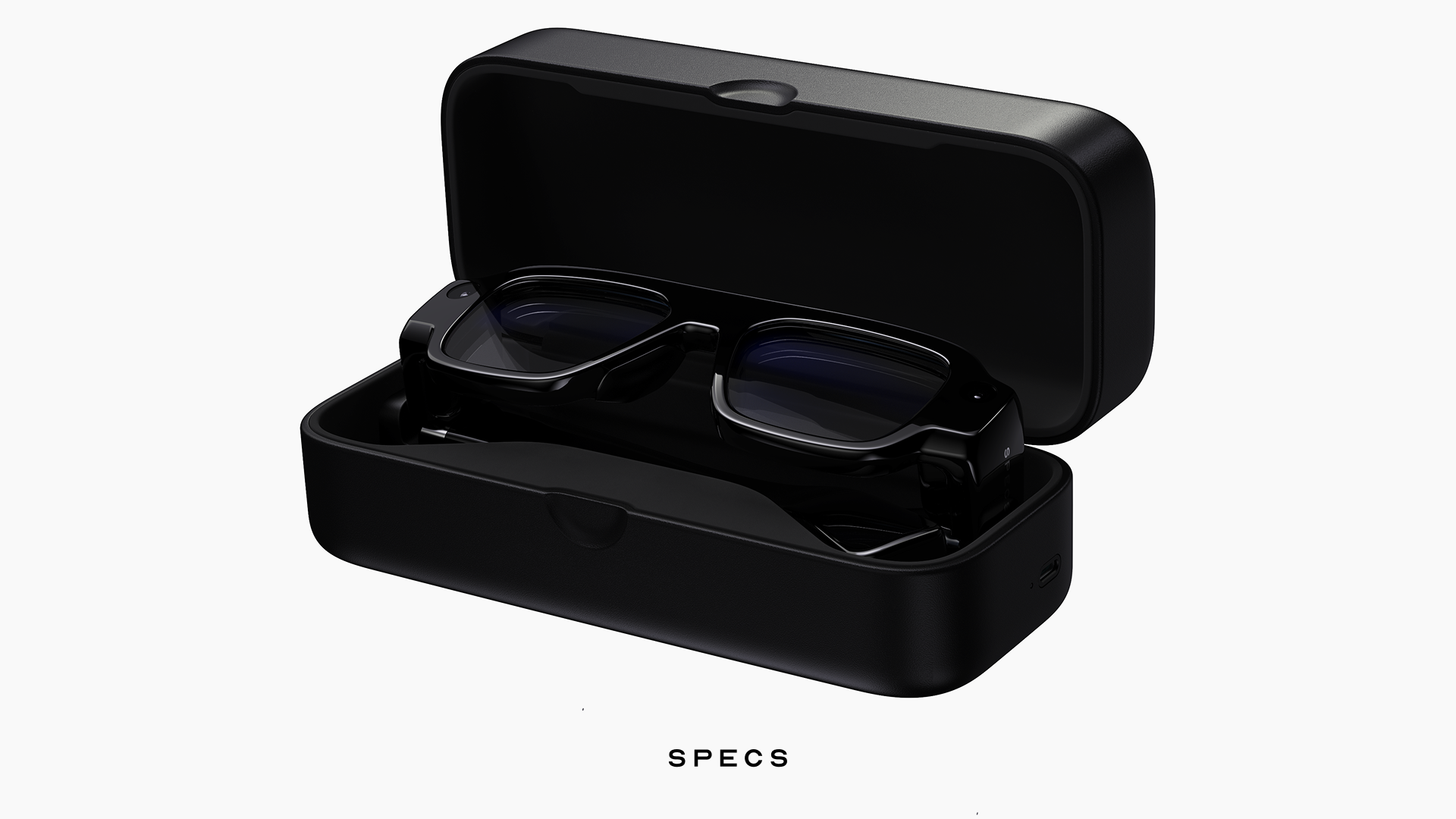
Knowing that stable and reliable connection is the key to everyday assistance, Snap announced a new SPECS Charging Case with Cellular, designed to provide additional battery life and connectivity.
Sold separately, the case provides four additional charges and cellular connectivity through participating carriers around the world.
 Source: Snap
In the U.S., Snap is partnering with Verizon, offering custom data plans, financing options, digital setup, and hands-on SPECS experiences in selected Verizon stores.
Snap is also working with carriers including Orange in France and EE in the UK, with local data plan pricing to follow.
Privacy Is Built Into the Hardware
Introducing AI features and experiences, Snap emphasized privacy as an important part of the SPECS design.
SPECS do not use facial recognition to identify people, and they do not continuously record or save audio, video, or photos. When a wearer takes a photo or records video or audio, an external LED in the center of the frames lights up or flashes to make recording visible to people nearby.
Users also control which information and services SPECS can access, while Lenses ask for permission before accessing sensitive information.
For AR glasses designed to operate in everyday environments, these choices are an important part of building trust with the users and the outside world.
Try SPECS in Person
While the keynote gave us a look at what SPECS can do, the best way to understand the platform is still to experience it yourself.
Starting October 1, the SPECS First Look will open at Westfield Century City in Los Angeles.
Visitors will be able to try SPECS in person, meet members of the team, and explore the experiences being built for the platform. The space is also expected to evolve throughout the holiday season as more experiences become available.
Shipping is expected to begin later this fall in the United States, United Kingdom, and France.
So, What’s Next?
The SPECS launch makes one thing particularly clear: the platform is being built around more than a single AR feature or use case.
During the keynote, Snap subtly pointed toward the direction of the platform, from AI assistance and spatial interfaces to entertainment, education, navigation, shopping, sports, productivity, and more. But this is only the beginning.
Much of what SPECS will become will be shaped by the developers and creators experimenting with the technology and finding new ways to build digital experiences that keep users with their hands free and focused on the real world.
And that’s where the community comes in.
At Lenslist, we’ll continue supporting and inspiring creators through challenges, interviews, Developer Spotlights, and community stories, sharing the projects you build, the ideas you explore, and your journey with SPECS AR Glasses.
We’re excited to follow how the platform evolves through the people building on it.
The launch gives us the tools and the starting point. Now, it’s time to see where the community takes them. We can’t wait to see what you build!